

Architect and educator Robert A.M. Stern, a leader in historically informed design, dies at 86.
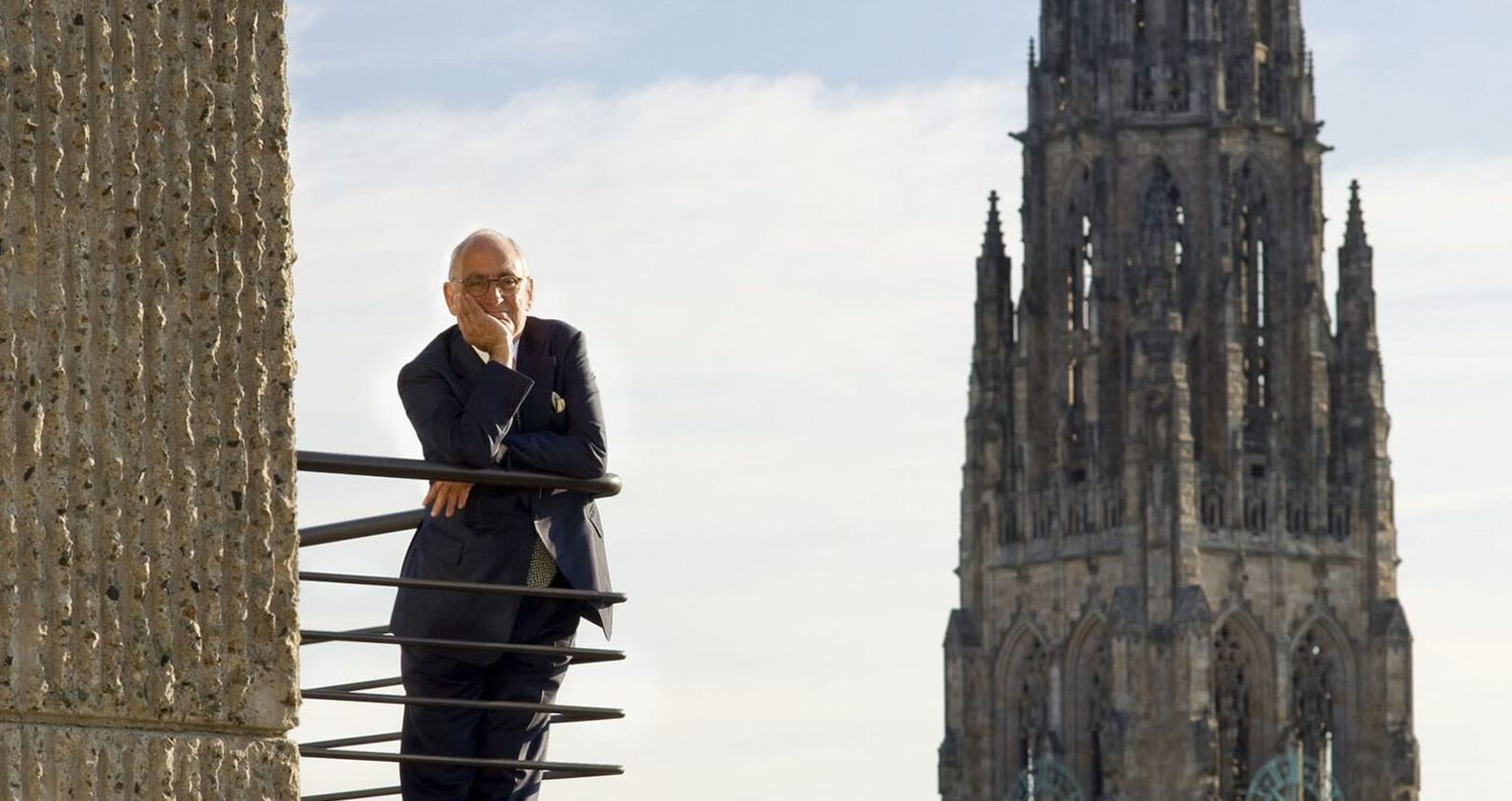
Robert A.M. Stern, the celebrated American architect, historian, and educator whose work left a lasting mark on contemporary architecture, has passed away at the age of 86. His death was confirmed by Robert A.M. Stern Architects (RAMSA), the New York-based firm he led for over 50 years. Stern was widely admired for his contextual, historically informed approach, emphasizing urban harmony, architectural continuity, and the enduring cultural significance of design, even during decades dominated by modernist and high-tech trends.
Born in 1939 in Brooklyn, Stern pursued his architectural education at Columbia University and earned a Master of Architecture from the Yale School of Architecture in 1965. Early in his career, he combined practice with research and scholarship, cultivating a profound interest in architectural history that would deeply influence both his design philosophy and teaching. After gaining experience with leading New York architecture offices and pursuing independent study, he established Robert A.M. Stern Architects in 1969, shaping it into both a design studio and a center for architectural thought amid the rise of postmodern ideas in the United States.
Although often linked to American Postmodernism, Stern’s work evolved toward a classical and historically grounded approach, distinguishing itself from more experimental trends. His projects consistently emphasized urban context, material durability, and reinterpretations of traditional architectural forms. Throughout the 1980s and 1990s, RAMSA became renowned for master plans, civic projects, cultural buildings, and large-scale residential developments. Among his signature works is 15 Central Park West (2008), a limestone-clad Manhattan residential tower inspired by early 20th-century architecture. Other notable projects include Shinsegae Namsan Commercial & Offices in South Korea, campus designs for Yale University and the University of Virginia, and the McCourt School of Public Policy at Georgetown University.
Stern’s legacy endures not only through his iconic buildings but also through his impact as a teacher and historian, shaping generations of architects and leaving an indelible mark on both the physical and intellectual landscapes of architecture.


