

Discover how the Mississippi Museum of Art has acquired Frank Lloyd Wright’s iconic Fountainhead Residence and is preparing this rare Usonian masterpiece for public tours and historic preservation.
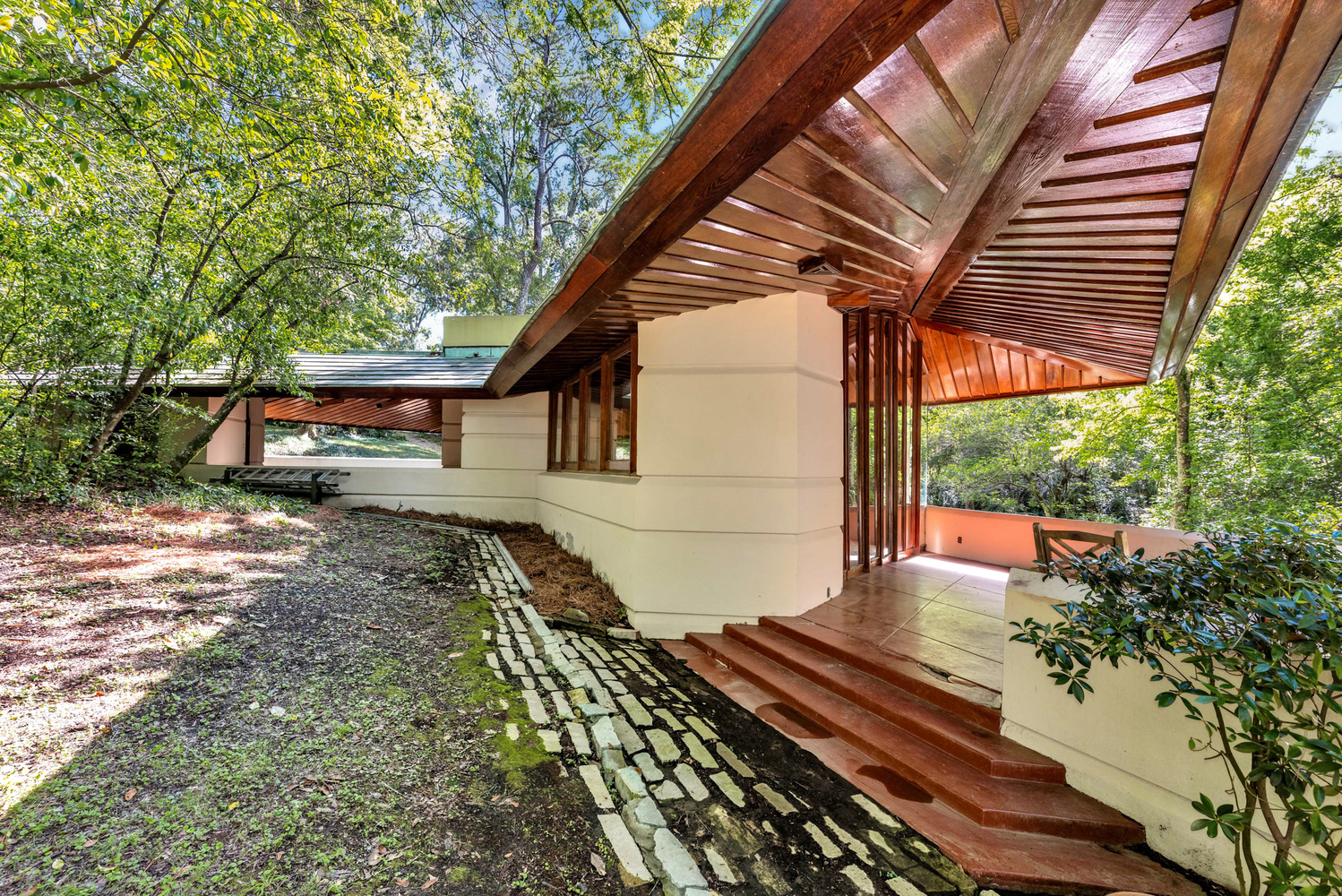
On November 20, 2025, the Mississippi Museum of Art (MMA) announced its acquisition of Fountainhead, a 1948 Frank Lloyd Wright–designed residence completed in 1954. Created for oil executive J. Willis Hughes, the home remained in the Hughes family until 1980. The MMA—founded in 1911 and recognized as Mississippi’s largest art institution—plans to integrate the historic property into its community-focused programming by opening the home to the public through reserved tours. This effort reflects the Museum’s broader goal of connecting art, history, and neighborhoods across Jackson, much like the Crystal Bridges Museum of American Art did when it acquired Wright’s Bachman-Wilson House in 2015.
According to the Frank Lloyd Wright Foundation, the architect produced over 1,100 designs throughout his career, with 532 ultimately built. Preserving these structures often presents cultural, technical, and financial challenges, making the acquisition of Fountainhead a significant step in safeguarding modernist architectural heritage.
The residence is a notable example of Wright’s Usonian homes—single-story dwellings envisioned for American middle-income families. These houses are known for their use of natural materials, deep overhangs, and abundant natural light. Designed when Wright was 81, Fountainhead features four bedrooms, two full bathrooms, and two half baths within 3,558 square feet, including porches and basement areas.
Situated in Jackson’s Fondren neighborhood, the purchase required approval from both the Jackson Planning and Zoning Board and the City Council. The design reflects Wright’s philosophy of organic architecture, with the structure following the slope of a wooded hillside. A parallelogram module defines the home’s footprint, while a repeated diamond-shaped geometry organizes the layout and interior forms.
The home was constructed almost entirely from Heart Tidewater Red Cypress, eliminating the need for stud walls, sheetrock, brick, tile, or paint. Expansive windows frame views of the surrounding landscape and fill the interior with daylight. The Museum will also preserve original features, including Wright-designed built-ins, hardwood floors, cypress shutters, skylights, a carport, terrace spaces, three fireplaces, and the residence’s original copper roof.


