

Examining modern heritage, inclusive design, and Frank Lloyd Wright’s Fountainhead Residence in the context of evolving cities and museums.
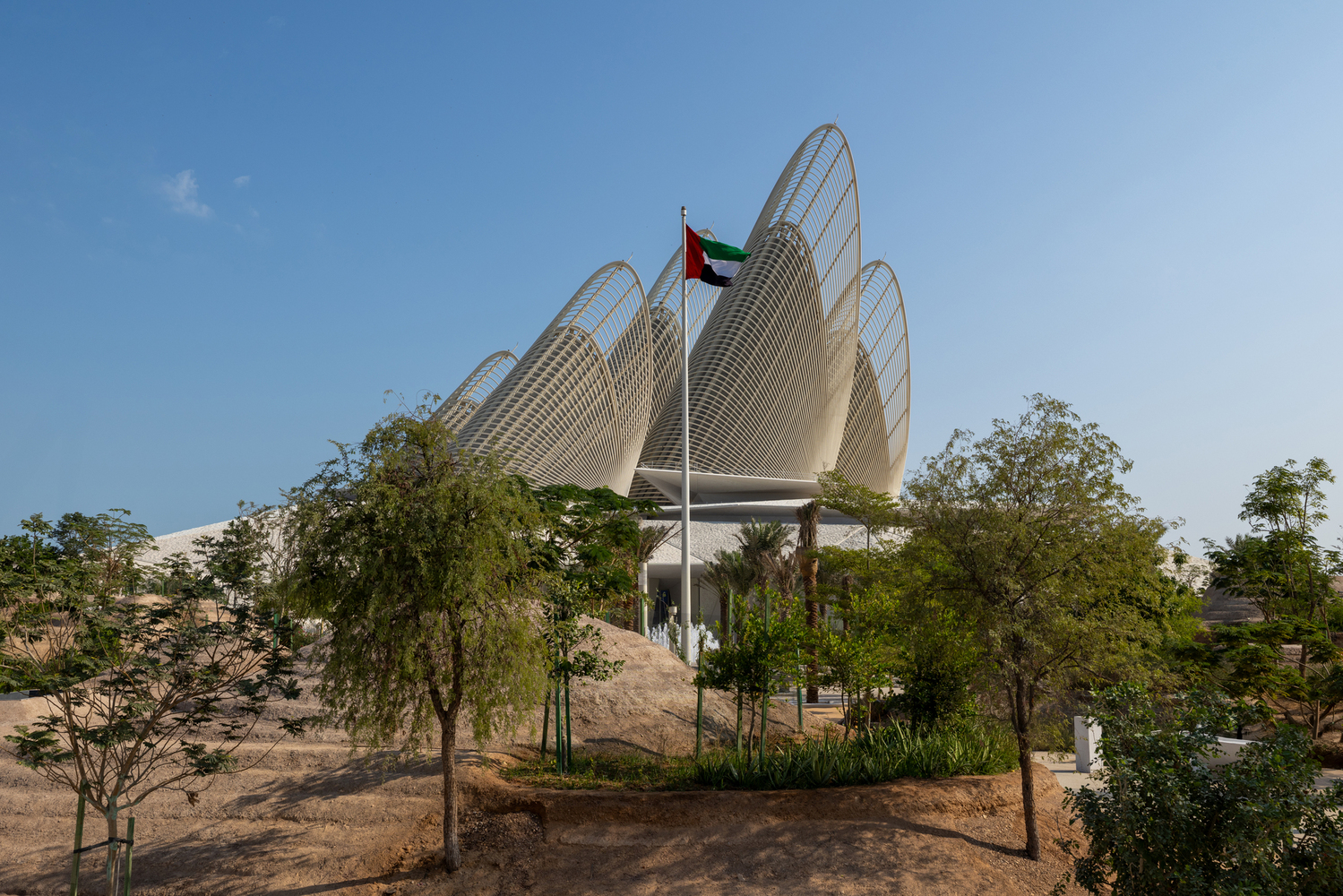
As cities evolve and cultural institutions pursue ambitious preservation initiatives, this week’s architectural conversations focused on how urban spaces and museums respond to shifting social, environmental, and infrastructural challenges. Discussions highlighted the intersection of heritage protection, long-term urban planning, and the broader architectural legacy, while tying into global awareness events such as the International Day of Persons with Disabilities—emphasizing the critical need for inclusive, accessible design in today’s built environment.
In the United States, the Mississippi Museum of Art revealed its acquisition of Frank Lloyd Wright’s Fountainhead Residence, a Usonian home from the early 1950s. The property demonstrates Wright’s signature organic architecture, with its thoughtful geometry, carefully chosen materials, and harmonious integration into the surrounding landscape. By preparing the residence for guided tours and future conservation projects, the museum underscores the growing recognition of modern domestic architecture as a vital component of public cultural heritage.


